

An honest look at the world's most powerful — and most limited — dining credential
By Kazi Zaman
Here is a thought experiment. Picture the dal makhani at a specific dhaba in Amritsar that has been cooking the same recipe for forty years over the same wood fire. The kind of dish that stops conversation at the table. The kind that any Punjabi person who has eaten there will tell you, without hesitation, is among the greatest things they have ever tasted. Now ask yourself: will a Michelin inspector ever walk through that door? The answer is no. Not because the food isn't extraordinary — it is — but because the room doesn't have tablecloths, the service doesn't have choreography, and the cuisine exists entirely outside the framework the Guide was built to evaluate. And that tells you almost everything you need to know about what a Michelin star actually measures.
Because the star has never been a measure of great food. It has always been a measure of a particular kind of dining experience — one rooted in French fine dining tradition, built around technical precision, classical refinement, and a very specific idea of what a serious restaurant looks and feels like. This is not a neutral set of criteria. It is a cultural preference that has been mistaken, over many decades and millions of meals, for a universal standard.
The origin story is instructive. The Michelin Guide was created in 1900 by a French tire company to encourage people to drive more, thereby wearing out their tires faster, thereby buying more tires. The inspectors were sent out not to identify the world's most exciting food but to find restaurants worth making a road trip for. The whole enterprise was a marketing exercise for rubber. That it became the global benchmark for culinary excellence is one of the more remarkable accidents in the history of food — and one worth interrogating before you let it determine where you spend your money.
None of this means the Guide is worthless. At its best it identifies genuine excellence with a consistency that no other system has matched at scale. The problem is not the process — it is the limits of what that process can see. BiBi in London makes the point with uncomfortable precision. A chef with an Oxford PhD and a CV built in Michelin-starred kitchens, cooking some of the most technically accomplished and culturally rooted Indian food in the world, in a room that any inspector would recognize as serious. By every reasonable measure, BiBi is a Michelin star restaurant. It does not have one. The absence is baffling, widely discussed in the industry, and entirely consistent with a system that has historically struggled to fully evaluate South Asian cuisine on its own terms.
Gymkhana has two stars and deserves both. But for every Gymkhana the Guide recognizes, there are a dozen extraordinary desi restaurants it walks straight past — in Birmingham's Ladypool Road, in Manchester's Rusholome, in Tooting, in Jackson Heights — cooking food of genuine depth and distinction that will never register because it doesn't fit the template. The Inspector moves on. The community keeps eating there anyway, because they know something the Guide doesn't.
That knowledge — the insider knowledge of a community that grew up with a cuisine — has always been a more reliable dining guide than any published list. The most thrilling desi meal you eat this year will almost certainly come from a recommendation passed between people who actually know the food, not from a red book published by a tire company.
Use Michelin as one input among many, particularly when navigating an unfamiliar city. But don't let it be the last word. The best meal of your life probably doesn't have a star. It has a line out the door, a laminated menu, and someone's grandmother in the kitchen.
Michelin will never tell you that. We will.
Where has your best desi meal been — starred or otherwise? Tell us.
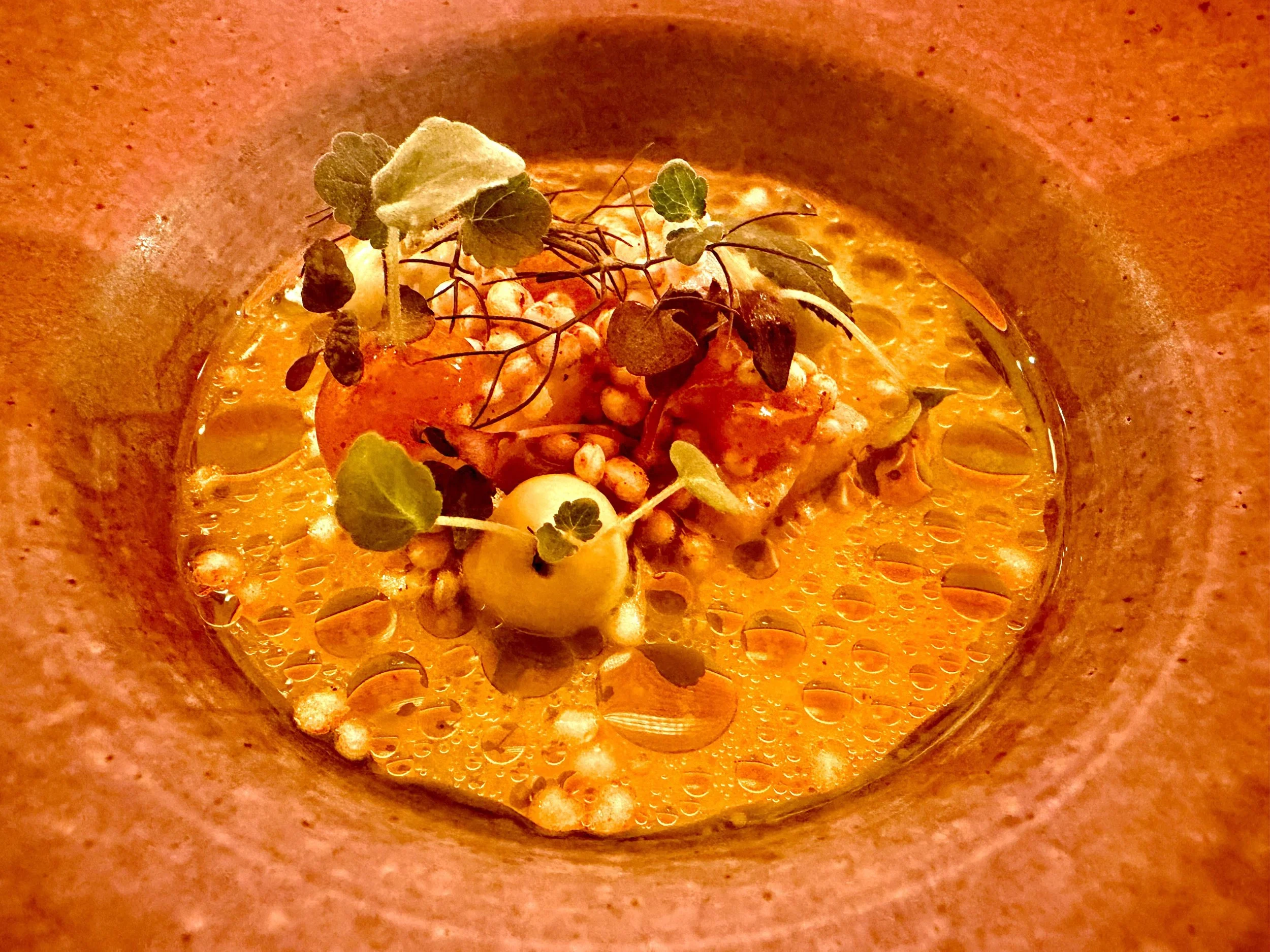
There's nimbu pani, and then there's Bibi's “nimbu pani”— sharp, layered, and one of the more surprising things to cross your lips in London. Photo by Desifoodfix.
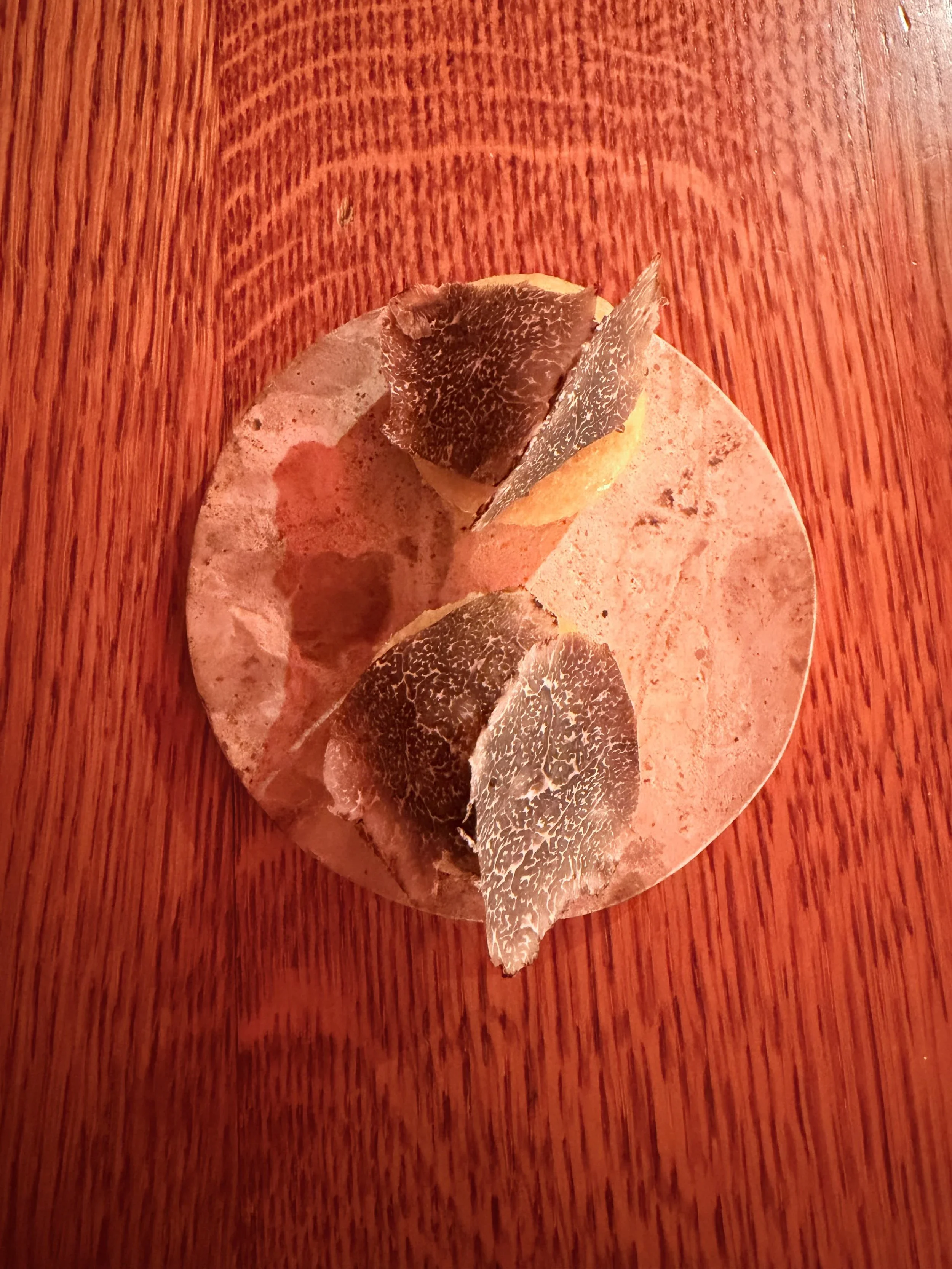
Bibi's dhokla pulls off a neat trick: Chet Sharma's grandmother's recipe, that spongy Gujarati classic, finished with a shower of truffle she almost certainly never had in mind for it.
Photo by Desifoodfix.