

By Kazi Zaman
There's a basement in Kanda that has no right to exist.
No signage at street level. No menu to speak of. Ten seats, one pot, and a Japanese chef who decided somewhere around 2009 that biryani was the only thing worth doing with his life — and has spent every year since proving himself right.
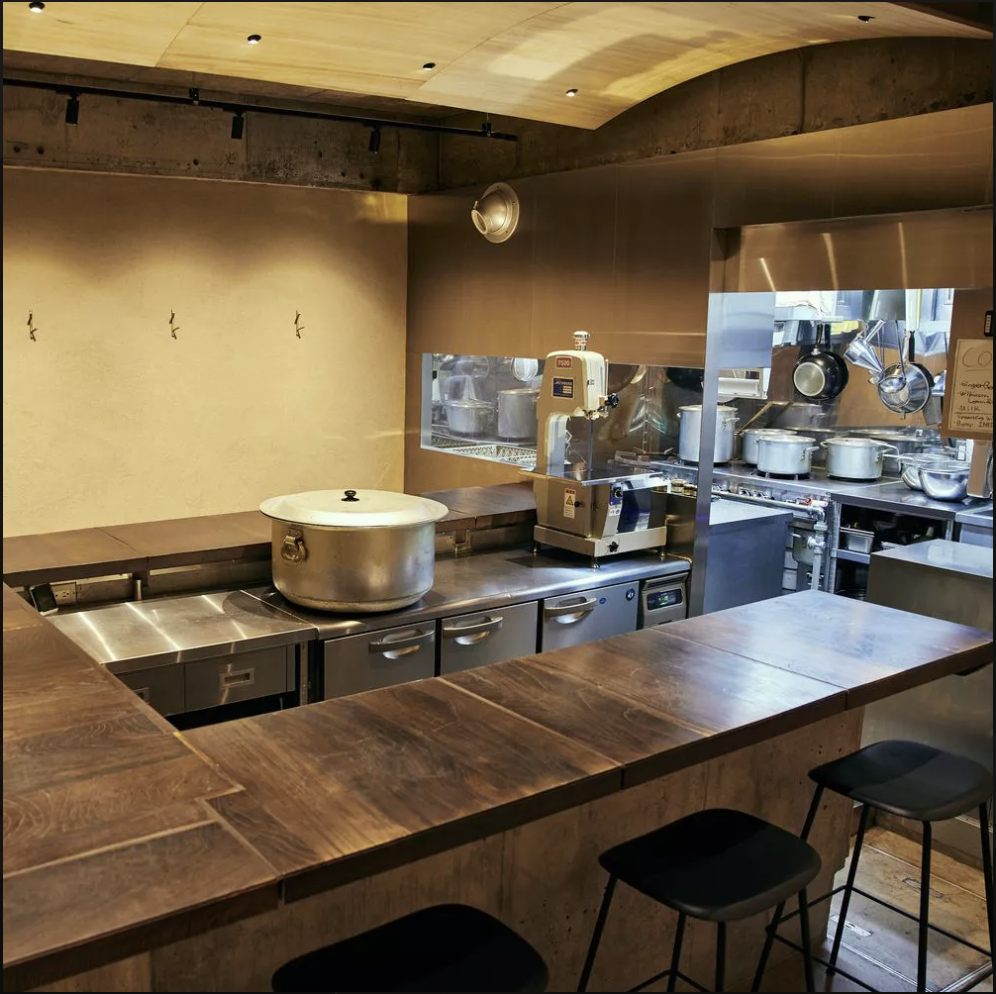
Takamasa Osawa did not grow up eating biryani. He discovered it as a student in India, the way some people discover a calling and others discover a problem. For Osawa, it was both. He came back to Tokyo carrying the memory of something extraordinary and found a city that had no idea what he was talking about. Japanese curry culture was thriving — Kanda alone had enough curry houses to keep an entire neighborhood fed — but the real thing, biryani as he'd eaten it, cooked low and slow in a vessel the size of a small bathtub, the rice drinking in spiced meat juices for hours until every grain was doing three jobs at once? Nowhere. The dish was too labor-intensive, too time-consuming, too demanding of space and fire and focus for any restaurant running a full menu to bother with.
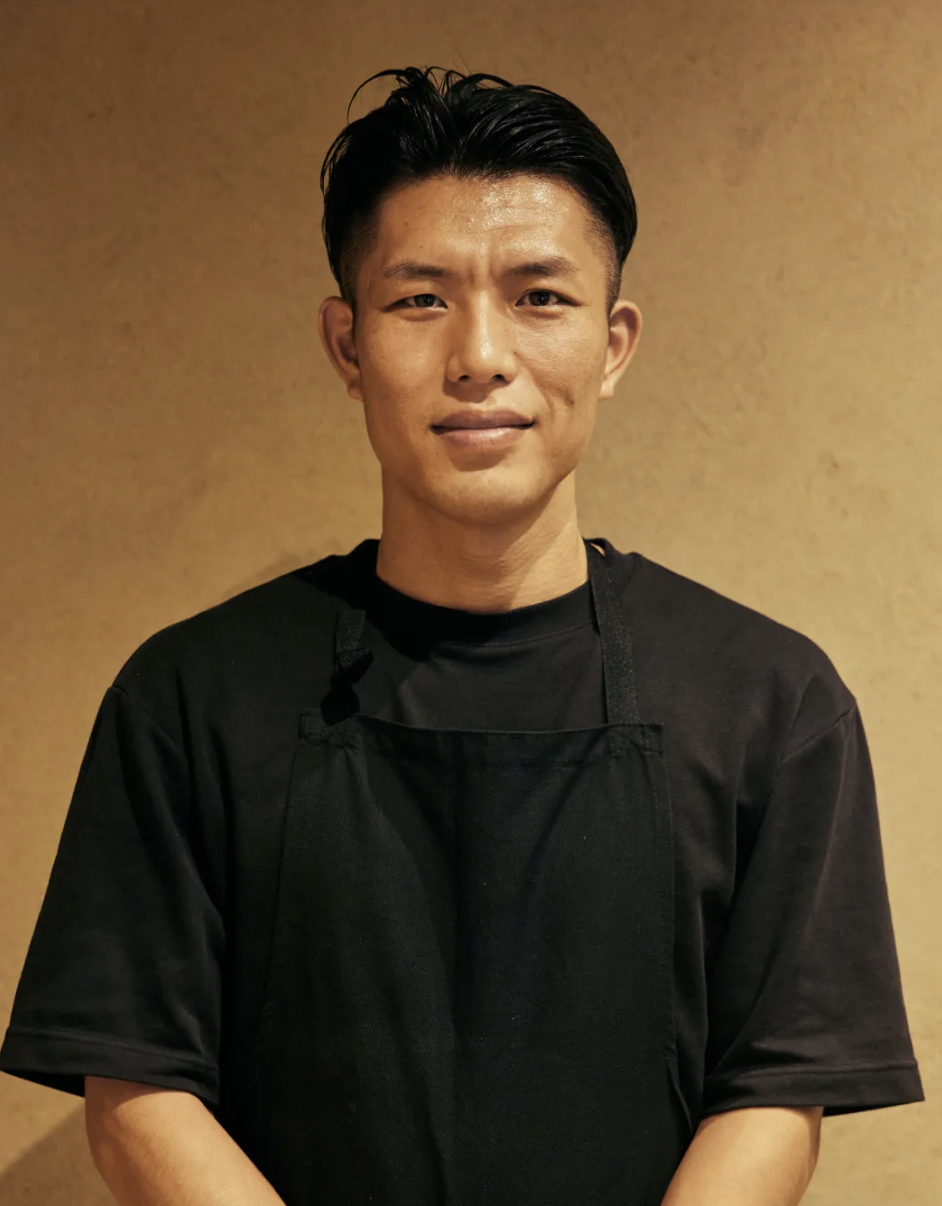
So Osawa bothered with it himself.
He started by gathering strangers on social media for private dinners. Then he taught himself to cook it, refining the recipe across dozens of attempts until it stopped embarrassing him. He rented restaurant kitchens during off-hours — a practice the Japanese call magari — and turned other people's spaces into his laboratory on weekday nights. He went back to India to eat more, study more, understand more. Then went back again. He founded the Japan Biryani Association, organized communal cooking sessions, and became, by sheer accumulated obsession, the most knowledgeable biryani person in a country that barely knew what biryani was. His guiding philosophy, stated without irony: Biryani or Die.
In August 2021, he opened Biriyani Osawa in Kanda — a basement restaurant with ten counter seats, a reservation system that fills within minutes of opening each week, and a policy so austere it borders on performance art. One biryani per service. Mutton most days, chicken on others, and occasionally something seasonally unhinged — lobster, hairy crab, oyster — that arrives unannounced and sells out before most people knew it was happening. The drinks list is cola, beer, or ginger beer, chosen because Osawa believes they're what actually works with the food. If you want something else, there are other restaurants.
What arrives at the counter is quietly stunning. The basmati is everything basmati should be — long-grained, separate, carrying fragrance without shouting about it. The oil is held back with real discipline, which means nothing sits heavy and the spicing has room to move. And move it does: the masala shifts as you eat, different notes surfacing mid-bowl like the dish is still deciding what it wants to be. The raita cools things down without flattening them. A chili oil adds heat on your own terms. And at the end, spiced vanilla bean ice cream arrives like a closing argument — unexpected, a little strange, completely correct.
In 2026, the Michelin Guide gave Biriyani Osawa a Bib Gourmand, their recognition for cooking that delivers considerably more than its price suggests. For once, the honor felt almost understated.
Here's what makes Osawa's story genuinely remarkable, beyond the food itself: he had no inherited claim to this dish. No grandmother's recipe passed down through generations, no regional identity tied to a particular style, no cultural shorthand to lean on. He came to biryani as a pure outsider and decided that wasn't a disadvantage — it was a license to be rigorous in ways that familiarity sometimes prevents. Fifteen years of single-minded focus later, Indian-American diners are leaving his basement calling it the best they've ever had. Visitors who grew up eating biryani at weddings and dinner-table celebrations across the subcontinent are quietly recalibrating their benchmarks over a bowl in a Tokyo basement with no sign out front.
That's not a fluke. That's what devotion looks like when it refuses to stop.
The essentials
What to order: Mutton biryani is the move — it's the dish he built this around and it shows. Chicken is a worthy alternative on the days it's offered. If a seasonal special is on, abandon your plans and order it without reading the description first.
Pricing: Exceptional value for Tokyo, and remarkable value by any measure — roughly ¥2,000–3,000 per person all in. Michelin-recognized cooking at the price of a casual lunch.
Best for: Solo diners and serious food pilgrims. The counter format rewards focus over conversation — come to eat, not to catch up. A perfect entry point for the non-desi diner wanting to understand what biryani is genuinely capable of, and a quiet reckoning for the desi diner who thought they already knew.
How it compares: More precise and restrained than most biryani you'll find in London or New York; less theatrical than a full Hyderabadi dum service but more technically considered than almost anything in that conversation. Not trying to out-tradition the subcontinent — and that's exactly why it works. If you're judging by mastery of form rather than weight of heritage, Osawa belongs in a very short list.
Getting there: B1F, 1-15-12 Uchikanda, Chiyoda-ku, Tokyo. Reservations open one week in advance. Set your alarm — they go fast.